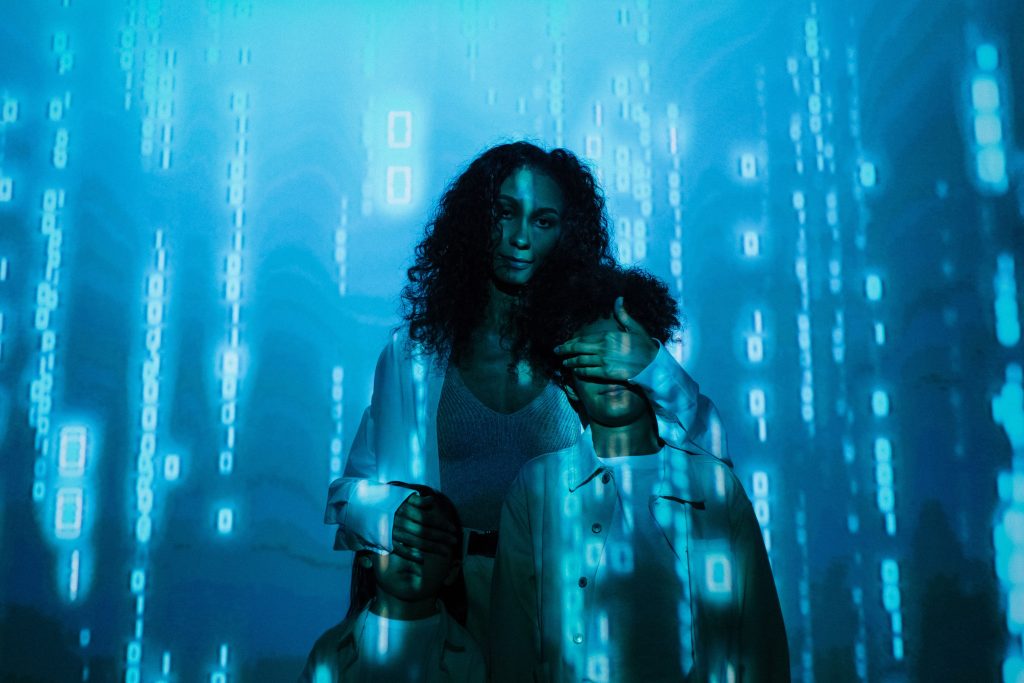

The Dawn of the Digital Dystopia: How Automation Is Undermining Modern Marketing
Over the past six months, I have been closely examining the current state of the digital marketing landscape, and what I’ve found is frankly alarming. The industry appears to be heading into an era I’d describe as the “dead internet,” with marketing at the forefront as its first casualty.
It feels as though we’ve reached a peak of futility. Brands across the board are increasingly relying on identical AI models to craft their messaging and analyze competitors. This homogenization has resulted in a digital echo chamber where every landing page and advertisement echoes the same bland, corporate tone reminiscent of a 1990s training video. The originality and authenticity that once distinguished brands are rapidly eroding.
The most disconcerting trend is the misguided belief that automation alone is the silver bullet. Many organizations seem to view bots and algorithms as the ultimate tools for efficiency, but in reality, what we’re seeing is a kind of digital mimicry—bots operating in trench coats, swapping tokens, and attempting to game the system. This relentless race for algorithmic approval is genuinely flattening the creative landscape, leaving brands feeling like ghost towns of vibrant marketing.
There’s a growing fatigue among marketers and consumers alike, driven by corporate jargon that emphasizes “synergy” and “big-picture strategies” rather than addressing the fundamental issue: why does our content sound like it was written by a robot? The algorithms are “cooked,” and the audience’s appetite for generic, soulless content is waning.
In reaction to this trend, I decided to challenge the status quo. I developed a new approach—one that acts as a deliberate “glitch” in the system—designed to bring genuine human oversight back into the creation process. The goal is to produce content that resonates with real people, avoiding the trap of appearing as if a LinkedIn bot authored it.
I’m genuinely curious: Are others in the industry experiencing similar frustrations with automation-driven marketing? Is this phenomenon widespread, or is it just a symptom of my agency’s particular situation?
In these times of digital saturation, it’s crucial that we remember the importance of authenticity and human connection. Let’s stay vigilant and strive to keep marketing human, despite the allure of automation. Stay sane out there.